What a lot of new exhibitions this October! We list well over 20 across Europe below -- many more than usual -- and have still had to leave out quite a few that we'd mention in most other months in order to keep this post to a reasonable length. Let's start at the Royal Academy in London with deep blue seas, cloudless skies, intense light and the heat of the sun. From October 2 to January 31, you can experience the excitement Renoir, Cezanne, Matisse, Picasso and many others felt while Painting the French Riviera . The exhibition features more than 160 exhibits from the 1870s to the 1960s, and a version of the show travels on to the Cleveland Museum of Art in March. Hmm, Renoir. Now perhaps seen as the most chocolate-boxy of the Impressionists, but without doubt the creator of some of the most recognisable images in French art of the late 19th century. Well worth stealing , and clearly the National Gallery is on to a winner with its Renoir and Love ex...

Here in England, you can visit a car showroom again from June 1, but if you're hoping to get out to see some art during the month, it looks like you'll need to be on the European mainland.
Museums across the Netherlands are reopening at the start of June, and one exhibition we can thoroughly recommend is George Stubbs -- The Man, The Horse, The Obsession at the Mauritshuis in The Hague, which is being extended through to August 30. Find out how, in the 18th century, Stubbs was able to produce portraits of horses of unparalleled realism and get the chance to admire Whistlejacket, his most famous work and one of the jewels of London's National Gallery. We saw a bigger, broader version of this show last year at the MK Gallery in Milton Keynes and loved it.
 Dutch museums will initially be operating at reduced capacity to allow for social distancing, and you need to book online tickets in advance to visit, specifying a timeslot for entry, though there's no need to wear face masks, as required in Germany and Austria at the moment. Another show that's been extended following the lockdown is the one at the Rijksmuseum in Amsterdam looking at the beginnings of the Baroque in Rome in painting and sculpture and focusing on Caravaggio and Bernini. It's now running through to September 13.
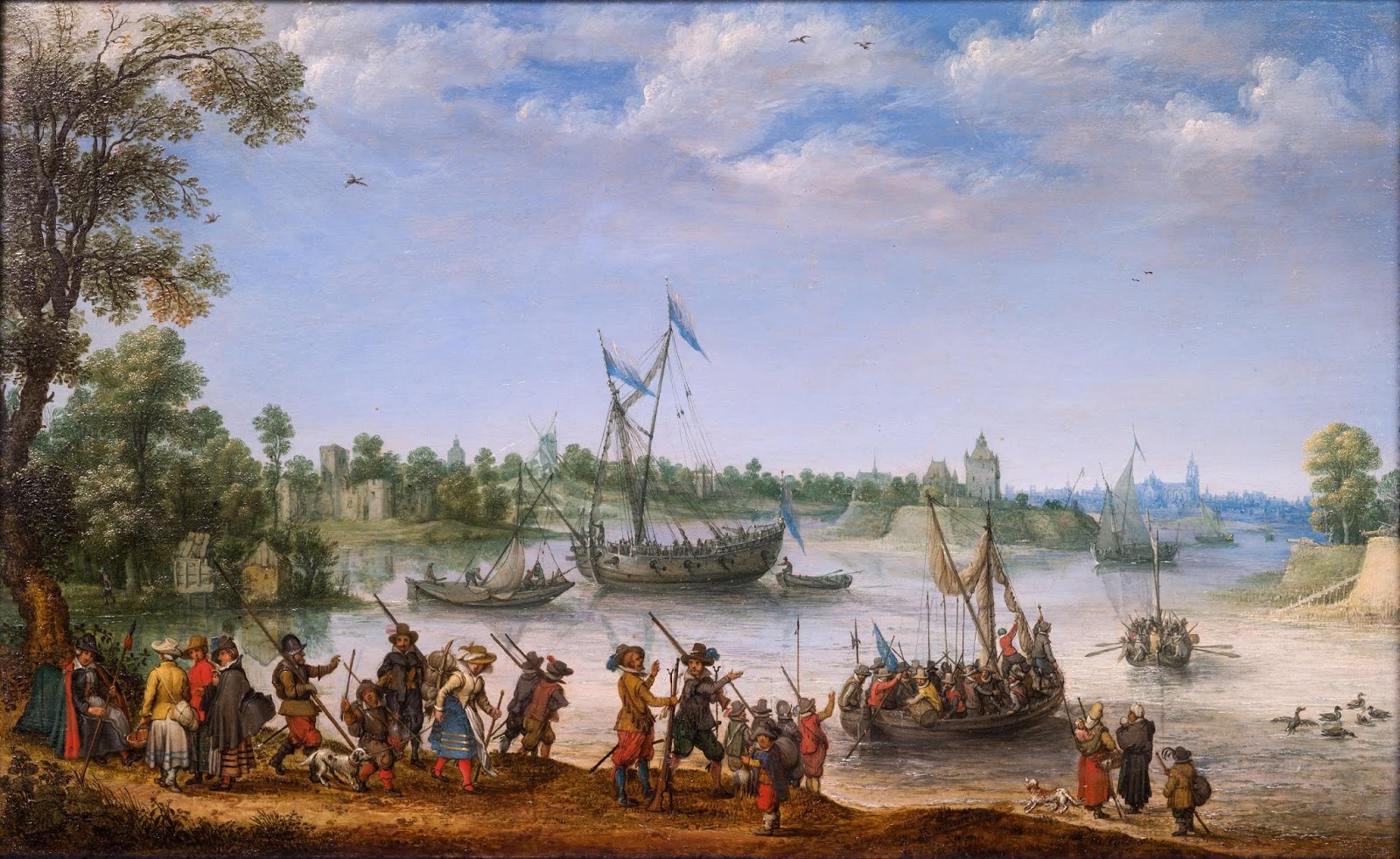
Meanwhile, there's a new exhibition starting at the Lakenhal in Leiden on June 2. It's 400 years since the Pilgrim Fathers arrived in the New World, but the group of Puritans who'd escaped religious persecution in England had already spent more than a decade in exile in Leiden before they crossed the Atlantic. Pilgrims to America tells their story, and it's on until September 13.
 In Rome, the big Raphael show at the Scuderie del Quirinale marking the 500th anniversary of the painter's death is back on from June 2 and has been extended through to August 30. Italy's version of the new normal: They'll take your temperature before go in, you get precisely five minutes per room before you're moved on, and you have to observe a two-metre distance from anyone else, including members of your own family, even though you also have to wear a face mask.
Museums across the Netherlands are reopening at the start of June, and one exhibition we can thoroughly recommend is George Stubbs -- The Man, The Horse, The Obsession at the Mauritshuis in The Hague, which is being extended through to August 30. Find out how, in the 18th century, Stubbs was able to produce portraits of horses of unparalleled realism and get the chance to admire Whistlejacket, his most famous work and one of the jewels of London's National Gallery. We saw a bigger, broader version of this show last year at the MK Gallery in Milton Keynes and loved it.

Meanwhile, there's a new exhibition starting at the Lakenhal in Leiden on June 2. It's 400 years since the Pilgrim Fathers arrived in the New World, but the group of Puritans who'd escaped religious persecution in England had already spent more than a decade in exile in Leiden before they crossed the Atlantic. Pilgrims to America tells their story, and it's on until September 13.
French galleries are gradually turning the lights back on over the next few weeks, and if you're in Paris, you can see James Tissot, Ambiguously Modern from June 23 at the Musée d'Orsay. The exhibition aims to present Tissot as a more complex, more multi-layered artist than the glossy chronicler of fashionable late Victorian society we're perhaps accustomed to. On until September 13, face masks and advance booking compulsory, but it sounds as if going to a show in France will be a bit less stressful than in Italy.
Danish residents (and the few tourists the country is allowing in) are likely to have a much more relaxed visitor experience when it comes to the big summer show at the Skagens Museum at the northern tip of the country, celebrating Anna Ancher, the outstanding woman painter from the artists' colony that flourished there at the end of the 19th century. We were really looking forward to seeing Ancher's Impressionistic, light-filled work in the surroundings that inspired it during June. Perhaps we'll still have the chance this summer. The exhibition, which has had five-star reviews in the Danish media, is on from June 13 to October 18 and then returns to Copenhagen's National Gallery, where its first run was ended by the lockdown, in November.


And back in Britain? The National Gallery in London has announced that its Titian: Love, Desire, Death exhibition will be extended whenever the lockdown is eased sufficiently, but that unfortunately means that the planned showing at the Scottish National Gallery in Edinburgh has been scrapped. The works of the intriguing insomniac from Ostend, Léon Spilliaert, will also continue to be on show at the Royal Academy until September 20, but the planned transfer of the Angelica Kauffman exhibition from the Kunstpalast in Dusseldorf has fallen victim to the virus. The Renaissance Watercolours show at the V&A is another one that's bitten the dust. Outside London, one show we're still hoping to get to is Art Deco by the Sea at the Sainsbury Centre in Norwich, which will now also run until September 20. Let's see if there's any positive news for cultural institutions from the British government over the next week or so.
Images
George Stubbs, Whistlejacket with the Head Groom Mr Cobb and the Two Other Principal Stallions in the Wentworth Stud, the Godolphin Hunter and the Godolphin Colt, c. 1762, Trustees of the Rt Hon Olive, Countess Fitzwilliam’s Chattels Settlement, by Permission of Lady Juliet Tadgell
A Willaerts, The Departure of the Pilgrim Fathers from Delfshaven on their Way to America on July 22, 1620, Rose-Marie and Eijk de Mol van Otterloo Collection
Anna Ancher, Little Girl with Flower, 1885, Skagens Kunstmuseer. © Skagens Kunstmuseer/Art Museums of Skagen
A Willaerts, The Departure of the Pilgrim Fathers from Delfshaven on their Way to America on July 22, 1620, Rose-Marie and Eijk de Mol van Otterloo Collection
Anna Ancher, Little Girl with Flower, 1885, Skagens Kunstmuseer. © Skagens Kunstmuseer/Art Museums of Skagen
Comments
Post a Comment